

All Jewellery
Effortless wearable jewellery from Astley Clarke. Pared-back to perfection, meet the latest must-have addition to your wardrobe. All our pieces are created to be mixed together in unique ways. Just add, combine, stack, repeat. The question is which piece will be the next in your jewellery collection?
-

Gold Tennis Ball Charm
£75.00 -

Solid Gold Large Solitaire Diamond Ring
As low as £1,250.00 -

Aurora Weave Mixed Metal Ring
As low as £118.00 -

Solid Gold Deco Trilogy Emerald Cut Diamond Ring
As low as £1,100.00 -

Solid Gold Rising Sun Jacket Studs
£1,595.00 -

Solid Gold Asteri Diamond Mini Locket Necklace
As low as £1,595.00 -

Aurora Weave Mixed Metal Locket Necklace
As low as £128.00 -

Solid Gold Deco Emerald Cut Diamond Ring
As low as £1,500.00 -

Gold Aurora Ridge Locket Necklace
As low as £245.00 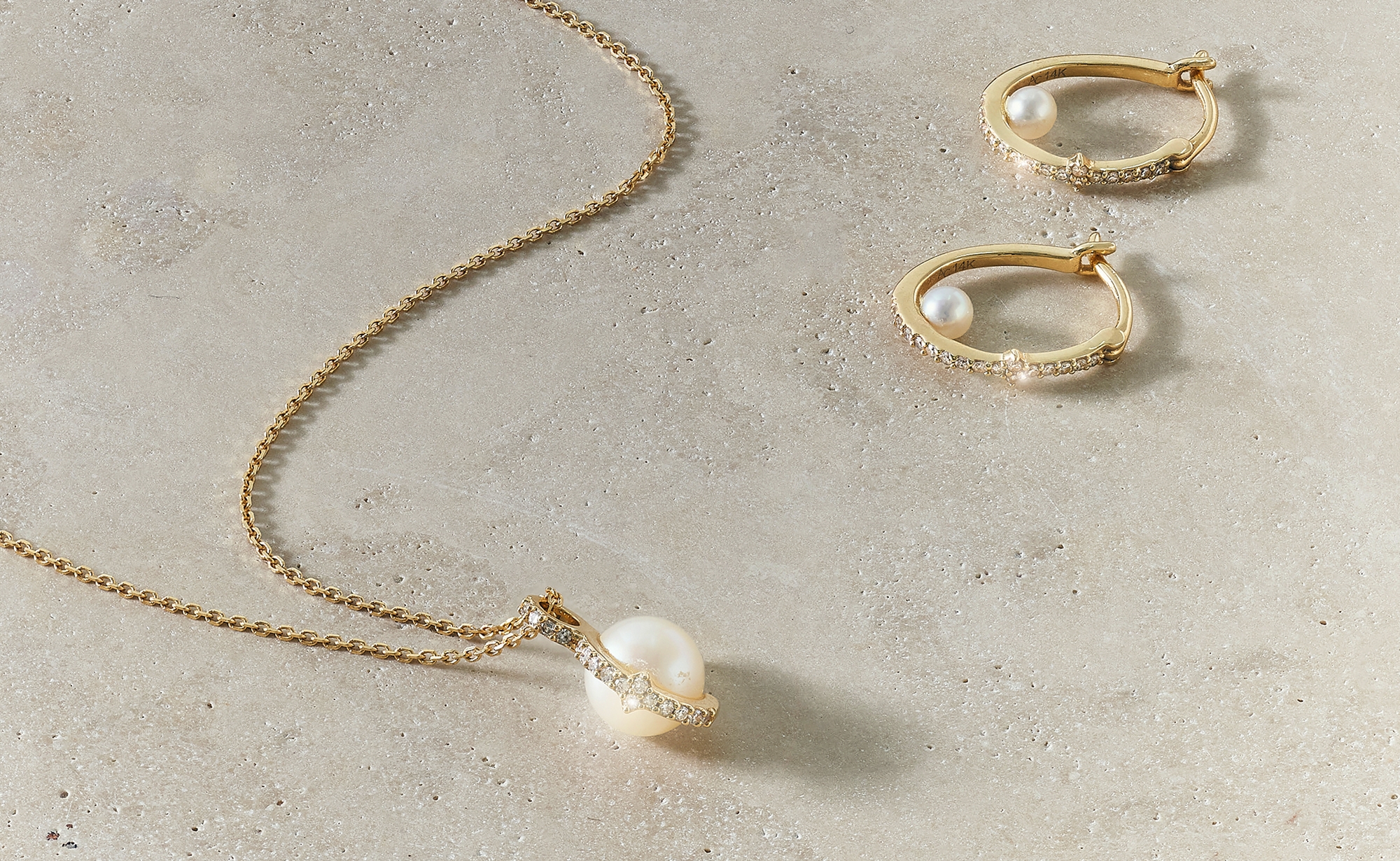
-

Solid Gold Deco Diamond Band Ring
As low as £1,200.00 -

Solid Gold Luna Mini Pearl Ring
As low as £365.00 -

Solid Gold Rising Sun Jacket Ring
As low as £645.00 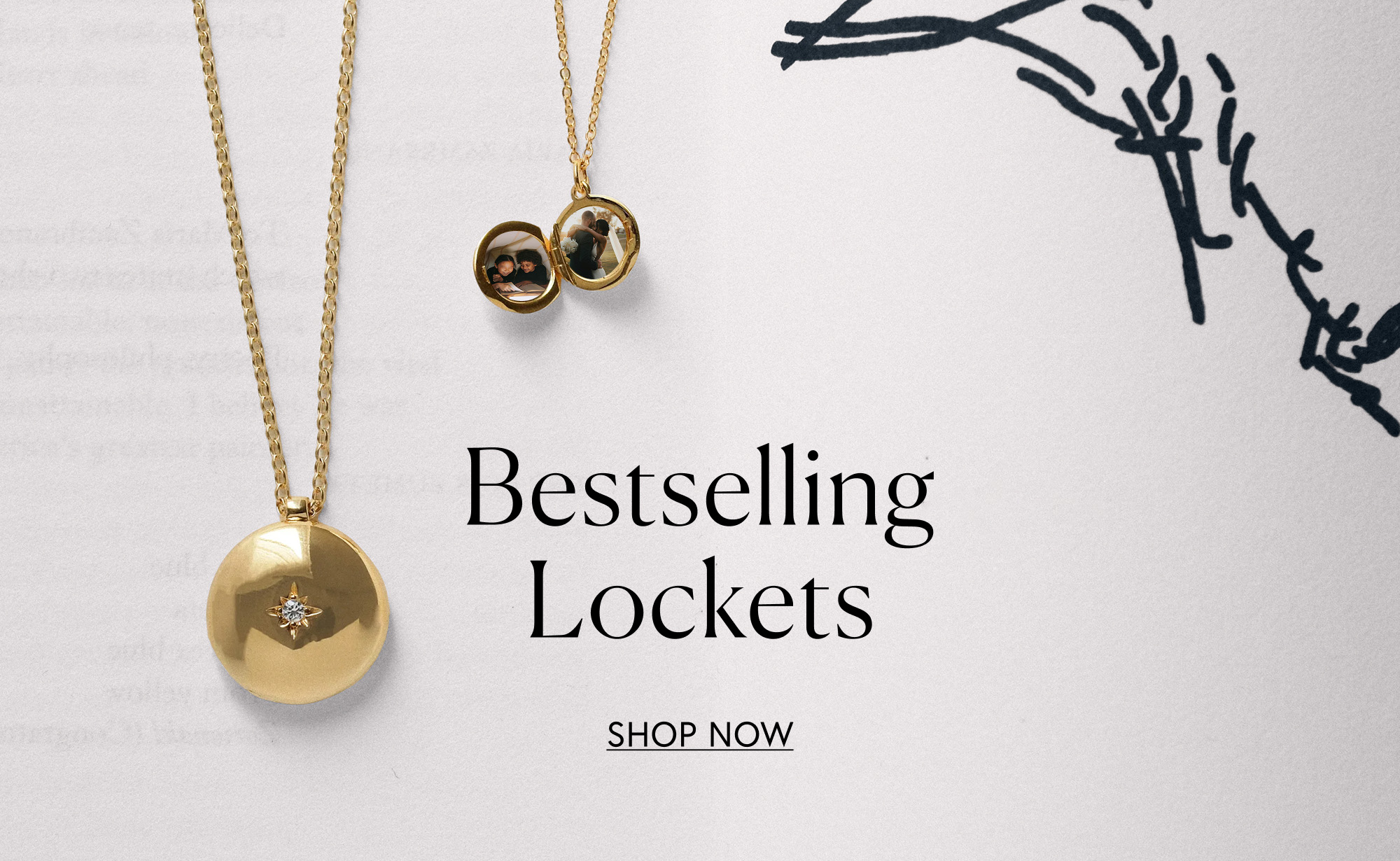
-

Solid Gold Diamond Ring Jacket
As low as £725.00 -

Solid Gold Rising Sun Huggie Earrings
£1,450.00


ASTLEY CLARKE JEWELLERY
Our jewellery is your story. And like all stories, our pieces are designed to be passed on from generation to generation, which is why we invest in exemplary craftsmanship and high-quality materials. We want the best, so why should we wear anything less?
Our fine and demi-fine jewellery range is designed in our London studio, crafted from 14 carat solid gold, 18 carat gold vermeil or sterling silver with endless gemstone and diamond options. Our purpose is to create jewellery that’s refined, easy to wear, intelligent, joyful, and stands the test of time. We're all about that personal touch. From personalised pieces and hand-wrapped presents to personal shopping and styling experiences, you can count on us to make it special.
With a desire to create relevant, relaxed and luxurious jewellery for a new generation, our acute attention to detail is in everything we do. From layer loving necklaces, talismanic bracelets, stackable rings and earrings, showstopping diamond designs and engravable photo lockets, we know you’ll find something that catches your eye. Whether you prefer a minimal look or take a more is more approach, our jewellery designs await your personal style.
Our Promise
We work exclusively with noble metals and ethically sourced diamonds and gemstones. As proud members of the Responsible Jewellery Council, we tell the truth about our ethical efforts as well as the materials used. We are a conscious brand, and our purpose is to design jewellery that will last, not its effect on the planet. That’s why we encourage everyone to go precious, every day.
Choose our eco-friendly packing at the checkout to help us reduce our carbon footprint or if you’re gifting a special someone, choose our naturally acid-free gift wrap made from 100% Japanese Kozo paper.