Jewellery Terms
Baguette
This is a gemstone, often a diamond, cut in a narrow rectangular shape. Small diamonds cut this way are often used as accents.
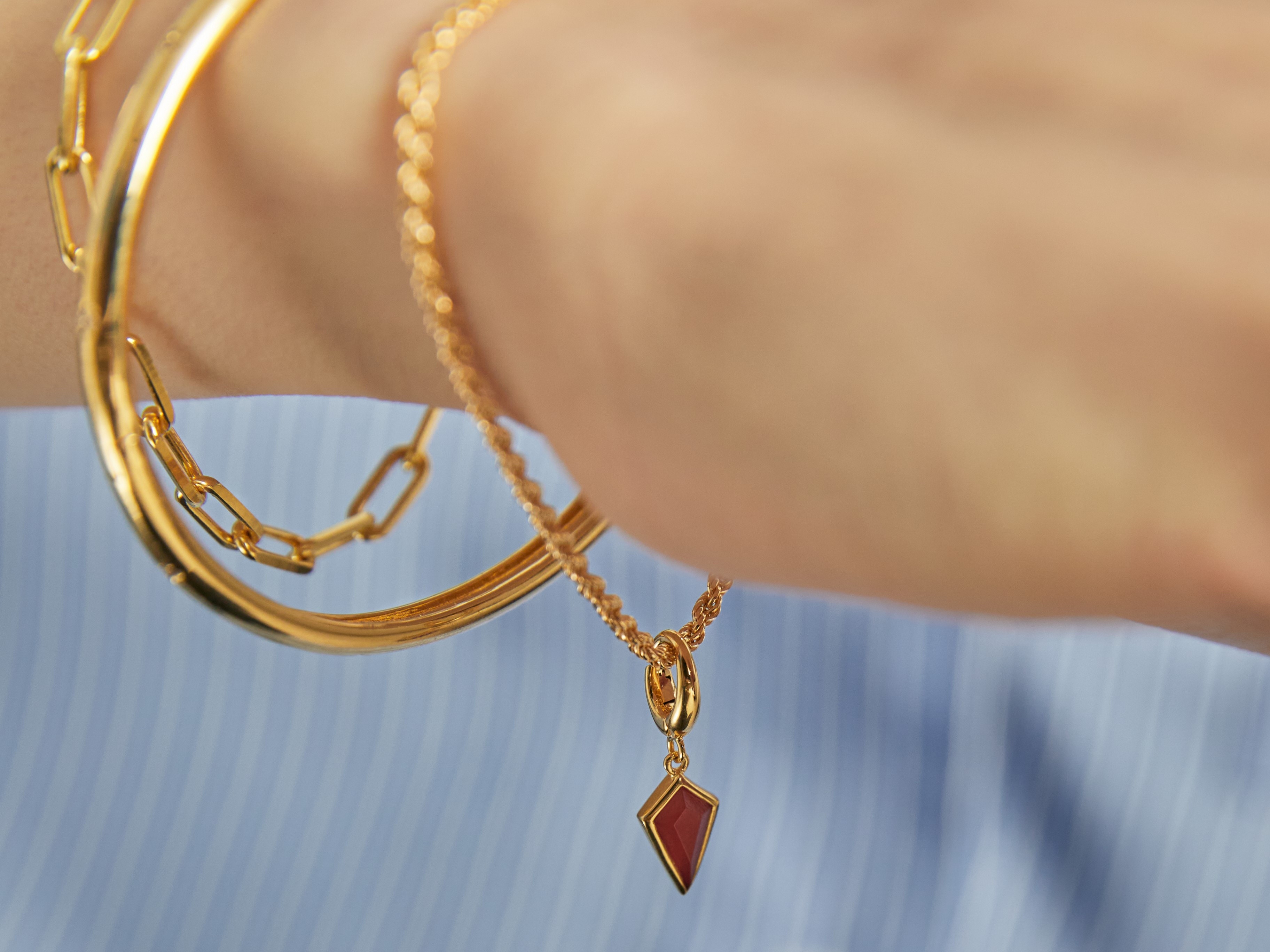
Bezel
An item used as a mount between the ring shank and the setting, available in different sizes to match the individual settings.
Bezel Setting
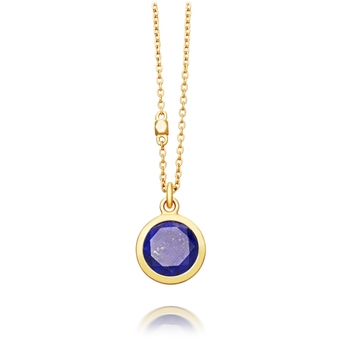
A method of setting gemstones in which the stone is held in the mounting by a narrow band of metal surrounding the girdle (outside perimeter) of the stone.
Briolette
A tear-drop shaped stone in the round.
Butterflies
A component used in the manufacture of earrings for pierced ears. It holds the earring onto the ear by attaching to the pin. It can also be known as a scroll piece.
Cabochon
A gemstone cut with a domed top and a flat bottom. These are usually round or oval, but can be other shapes as well.
Cameo
A style of carving in which the design motif is left and the surrounding surface is cut away, leaving the design in relief. Cameos have been popular from ancient times and ancient motifs, such as the goddess Athena, were popular cameo subjects from Victorian times through to the 1930's. Cameos are still made today in Italy.
Carat
Carat can be a unit of weight measurement for precious stones or a measure of purity for gold. For stone weight, one carat is equal to 1/5 of a gram ( 200 milligrams ). Stones are measured to the nearest hundredth of a carat. There are a hundred points in a carat, ie a 0.50ct stone can also be described as a 50 point stone. Smaller stones are most often referred to by point designations. An average one-carat round diamond usually measures approximately 6.5mm in diameter. This relationship of weight and size, however, is different for each family of stones. Rubies and sapphires, for example, are both heavier than diamonds, so a one carat ruby or sapphire is smaller in size than a one carat diamond. When referring to gold, carat is a measure of purity. The ratio of gold to other metals is measured in 29 parts, called carats – hence 24ct gold is pure gold, while 9ct gold is 9 parts gold per 24 parts and 18ct gold is 18 parts per 24 parts and thus double the purity of 9ct gold.
Chandelier earrings
These closely resemble mini chandeliers. They are long, exceptionally glamorous and favoured by several celebrities such as Nicole Kidman and Beyonce.
Chatoyancy
This word is derived from the French words chat ('cat') and oeil ('eye') and describes the phenomenon whereby a strip of light is reflected onto the surface of the stone and glints back and forth, resembling the feline eye. It is most prominent in chrysoberyl, but is also found in a few other gemstones including tourmaline.
Crown
The top half of a gemstone.
Cushion
This can be a type of diamond cut incorporating both a round and square shape (therefore resembling a cushion). It also refers to a style of signet ring stamping, which is also cushion-like, being square with rounded corners.
Decoration Etched
A very faintly carved surface decoration.
Emerald Cut
This is a stepped, normally rectangular gemstone-cut with cropped corners (commonly but not always an emerald, as the name suggests).
Enamel
In most cases enamel is produced by fusing coloured powdered glass 'paste' to metal (usually bronze, copper or gold) to produce a glass-like, decorative surface. The colour of the enamel and its transparency depend on the metal oxides in the glass and the temperature at which the glass melts and coheres to the surface. In some cases, the enamel may be translucent with fancy engraving on the metal underneath, which produces guilloche (pronounced 'ghee-yosh') enamel.
Engrave
This is gouging out a design in metal with graver's tools, or embellishing metal or other material with patterns using a stamping tool or drill. This was fashionable in mid-Victorian jewellery. The resulting depressions were often filled with coloured enamel.
Facet
The polished face of a gemstone.
Faceted
A faceted stone has small, flat-cut surfaces that make a sparkling effect on transparent stones. Diamonds, rubies and sapphires are nearly always faceted. Some translucent and even opaque stones are also faceted, although this is rarer.
Filigree
This is a technique used to produce delicate, intricate patterns in metal. It is often used for metal beads and clasps.
Gold filled
14ct Gold Fill is not the same as gold plated. There is approx. 100 times more gold in gold fill than there is on plated wire. Gold filled looks and usually wears as well as carat gold. Often referred to as rolled gold, Gold Fill is very hard wearing and should last under normal wear conditions it should last a lifetime. Gold-filled pieces must be at least 1/20 by weight in gold to be classified as gold-filled.
Guilloche enamel
This is when translucent enamel is applied to metal which has detailed engraving on it. Pronounced 'ghee-yosh'.
Grain
This is a unit sometimes used to measure pearls – a metric or pearl grain is equal to 50 milligrams or ¼ of a carat.
Grooved
Routed out in a line.
Hallmark
This is a stamped mark applied to items of jewellery and silverware by the Assay Offices of Britain as a guarantee of authenticity. The mark consists of four components: The sponsor (or manufacturer) mark; the standard mark, which denotes the precious metal content of the item; the Assay Office Mark (Assay Offices are found in London, Birmingham, Sheffield and Edinburgh) and the date letter which shows the year in which the article was hallmarked.
Inclusion
This is a particle of solid, liquid or gaseous foreign matter contained within a stone. It can take, for example, the form of an air bubble or a foreign object. Some inclusions decrease the value of a stone, but some, such as needles in rutilated quartz and in amber, are prized.
Inlaid
This is when a space is routed out of the metal and a contrasting material is fitted into that space. Bakelite polka dot bracelets are an excellent example of inlay technique.
Intaglio
This is Italian for 'carving'. An Intaglio is a carved gem from which the design is engraved or carved into the object so that it sits below the surface plane of the material, in perfect opposite to a cameo. This technique was often used for seals, to make a raised impression in the wax.
Iridescence
This is an optical phenomenon in which the hue on the surface of the stone changes according to the angle from which the surface is viewed. A similar phenomenon may be seen on the surface of soap bubbles and on butterfly wings. The word is derived in part from the Greek word iris, meaning 'rainbow', from the goddess Iris, the personification of the rainbow in Greek mythology.
Loupe
This is a magnifying glass used by jewellers to see the inclusions and imperfections inside gemstones. Its power of magnification is 10x.
Navette
An oval stone which is pointed at both ends.
Opalescence
In this phenomenon, the material appears yellowish-red in transmitted light and blue in scattered light. The phenomenon is named after the appearance of opals. This can be seen in nature in the way the sky is blue in the daytime and yellowish-red at sunset.
Ounce
This is a pre-metric unit of weight. The unit used to measure gemstones is known as a 'troy ounce'. The metric equivalent of one troy ounce is 31.1035 grams.
Patina
Patina is the natural effect of use and age on a surface. Tiny, almost imperceptible scratches eventually merge to form a new lustrous finish. A rich patina on fine sterling silver and carat gold enhances its beauty over time.
Pavilion
The lower-half of a gemstone.
Pierced
This is when the material has been cut completely through with a very small hole.
Schiller
The 'flecks' in the iridescent colour display found in labradorite and moonstone.
Scroll Piece
A component used in the manufacture of earrings for pierced ears. It holds the earring onto the ear by attaching to the pin. It can also be known as a butterfly.
Seed Pearl
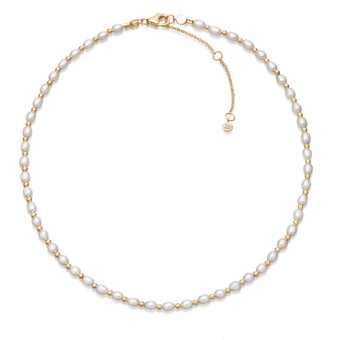
This is a very small round pearl. These were strung on horsehair and used in intricately woven jewellery during the early-mid Victorian period and are still popular in fine jewellery today.
Translucent
Translucent stones allow light to pass through them, but the light is scattered, so it is not possible to look directly through. Translucent stones include moonstones, opals and carnelian.
Transparent
Transparent stones allow light to pass through them without scattering, so that it is possible to see right through them. Transparent stones include diamond, sapphire, emerald and ruby.
Vermeil
Vermeil is a combination of Sterling Silver with a layer of gold on top. To be considered vermeil, the gold must be at least 10ct and be at least 1.5micrometres thick. Any other metal plated onto Sterling Silver cannot be called vermeil. Vermeil can be produced by fire gilding or electrolysis. Fire gilding is an antiquated process however and most vermeil these days is produced by way of electrolysis.


Loading...