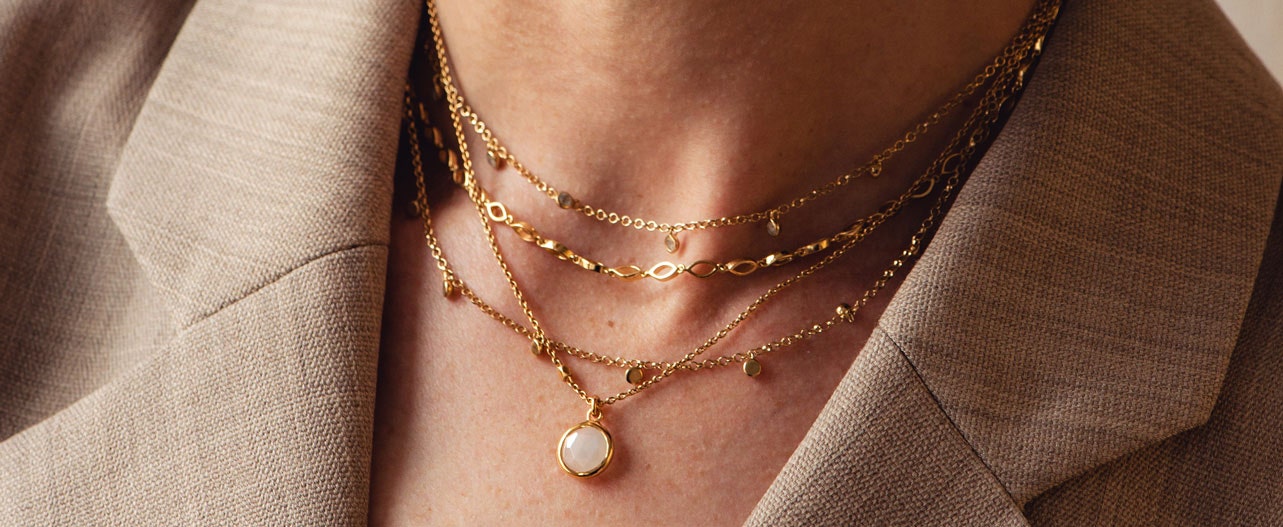
Moonstone
Moonstone has been associated with moon goddesses through the ages, due to its mystical, iridescent surface. Pliny the Elder (23–79 AD), a Roman historian, naturalist and author of the world’s first encyclopaedia, referred to stones called ‘astrions’ — meaning star-stones, thought now to have been moonstones.
Did You Know
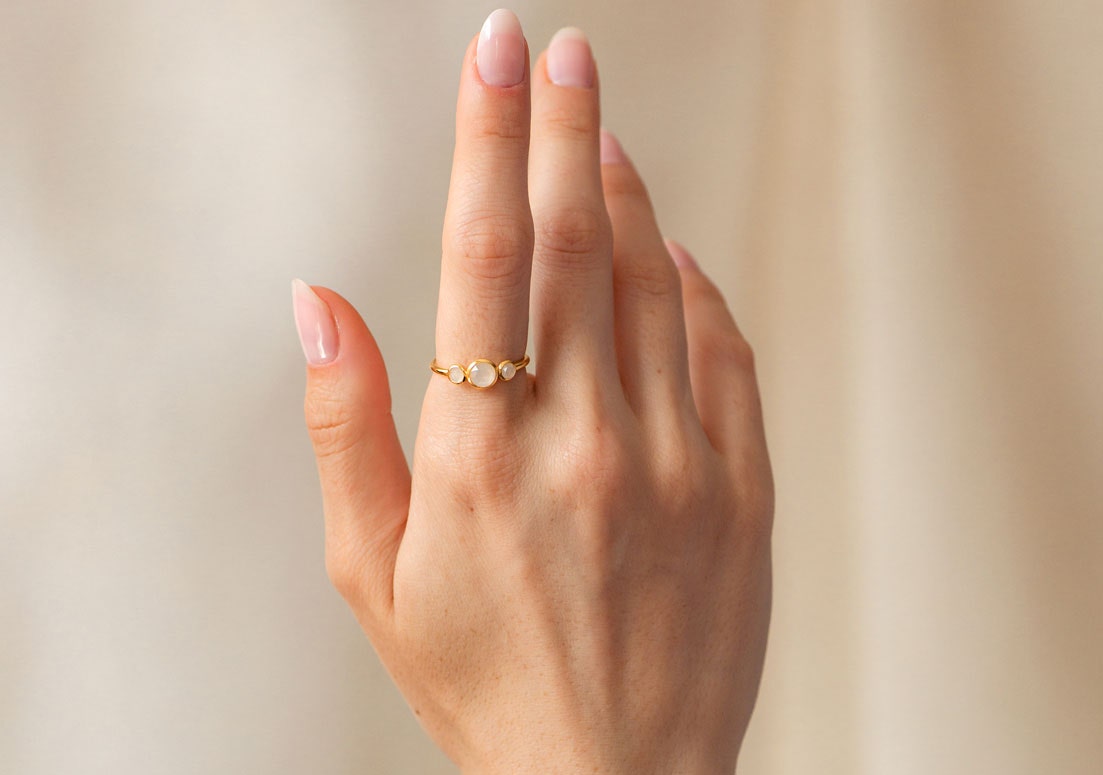
The name is derived from its moon-like appearance, and an association through history with the moon goddess.
Moonstone’s other name, adularia, comes from an early mining site in the Adula Mountains in Switzerland, and gives rise to the term adularescence to describe its iridescent sheen…
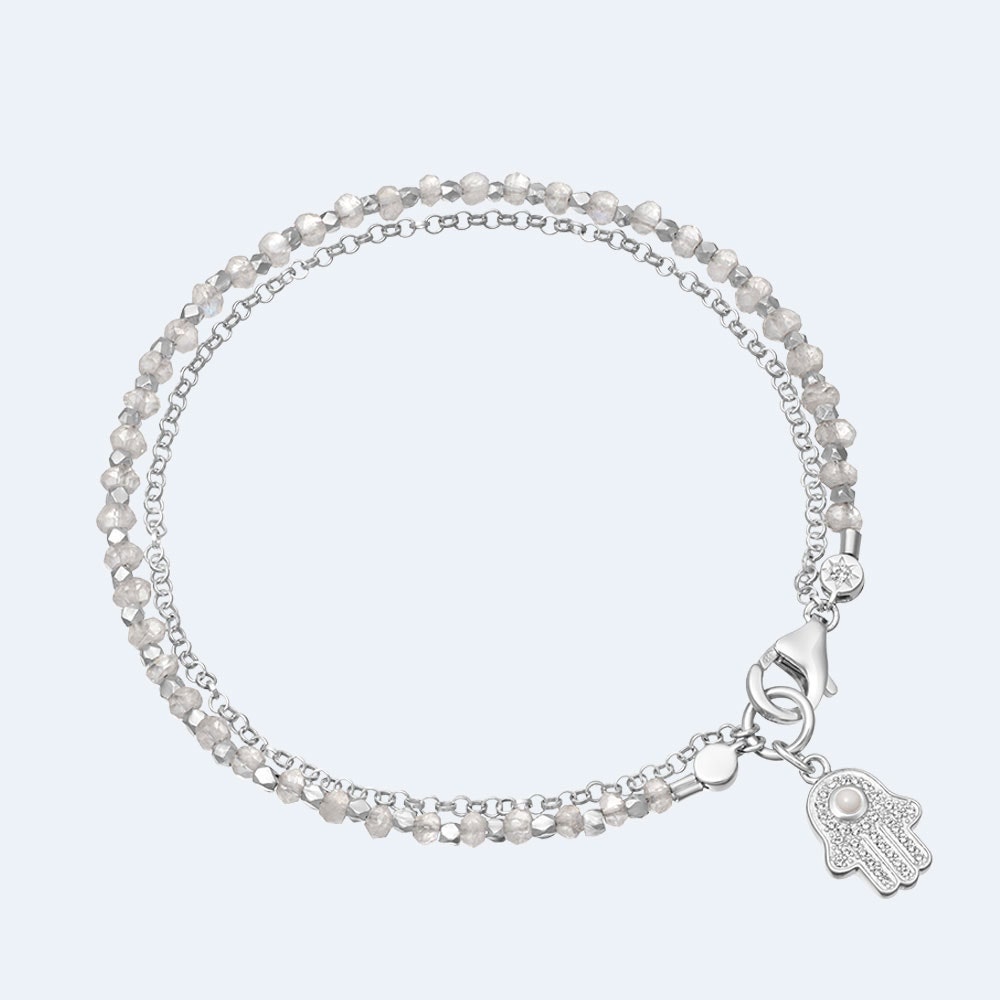

Moonstone: A Brief History
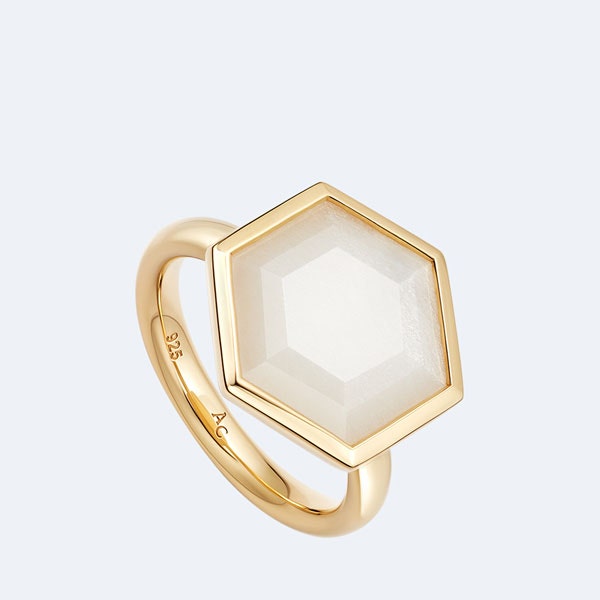
In 100AD, the Romans were using moonstone in jewellery, and there are earlier examples still hailing from the Orient.
Pliny the Elder (23–79 AD), Roman historian, naturalist and author of the world’s first encyclopaedia, referred to stones called astrions — meaning star-stones, thought now to have been moonstones. He described them as ‘a colourless stone… (from India) having within it the appearance of a star shining brightly like the full moon.’
Sacred in ancient India, it was thought that if lovers placed it in their mouths during the full moon, then their futures would be revealed. In 11th-century Europe, it was believed to bring about the reunion of lovers.
Meaning Behind the Stone
Moonstone has been associated with moon goddesses through the ages, and is supposed to strengthen feminine qualities.


Sourced From
- Myanmar
- Sri Lanka
- India
- Brazil
- Tanzania
- United States
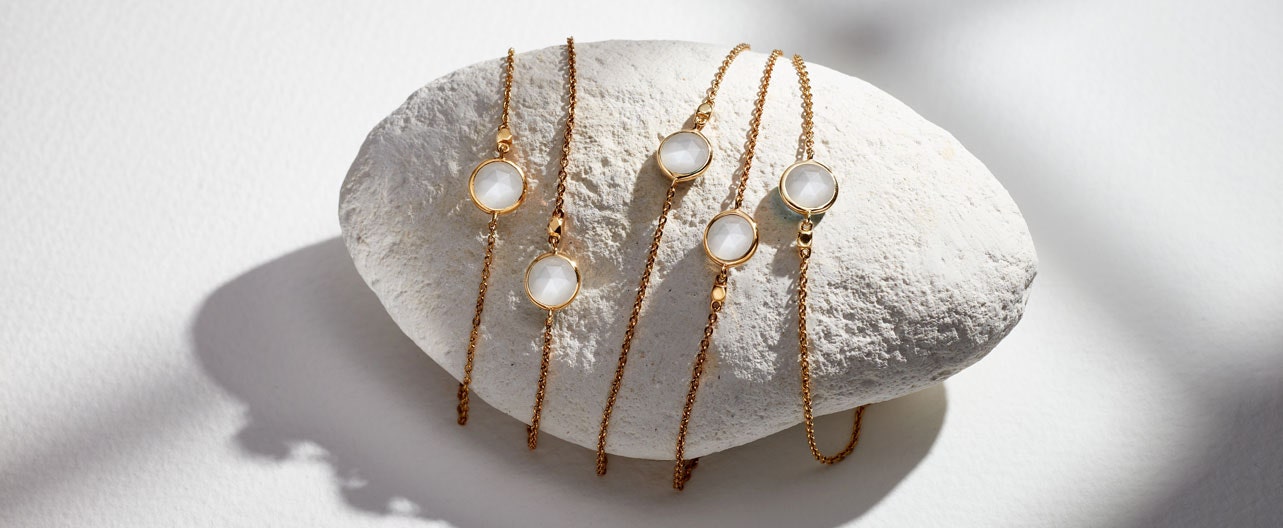
Passion, Positivity & Happiness